

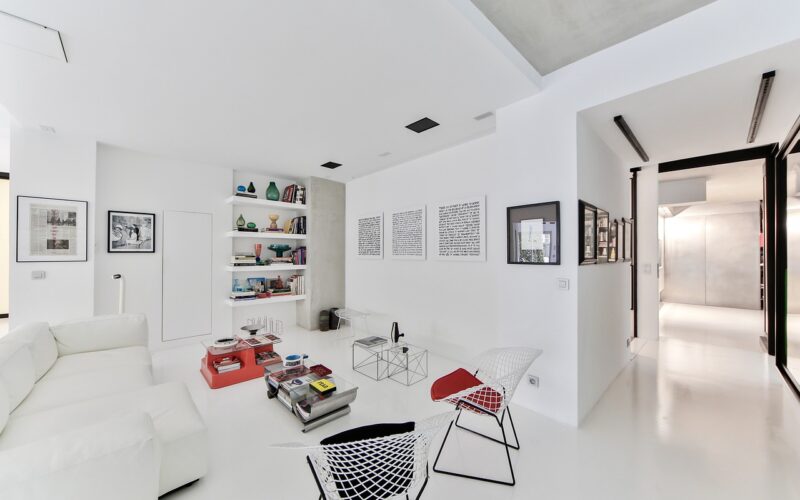
Self-catering accommodation covers a massive range. At one end, you’ve got basic holiday flats with mismatched cutlery and questionable sofas. At the other, properties that feel more indulgent than five-star hotels. Both technically fall under “self-catering,” but the experience couldn’t be more different.
The gap between standard and luxury isn’t always obvious from listing photos. Professional photography makes everything look good, and descriptions throw around words like “stunning” and “spacious” liberally. But certain details separate properties that just look nice from ones that actually feel special.
The Kitchen Actually Works
Here’s the thing – a luxury self-catering property doesn’t assume you’re only making toast and tea. The kitchen has proper equipment, not just the bare minimum to qualify as “fully equipped.”
That means sharp knives (plural), decent pots and pans, a functioning oven that heats evenly, and more than four wine glasses. It means having basics like olive oil, salt and pepper, and perhaps coffee or tea waiting. Small touches, but they signal that someone thought about the actual experience of using the space.
Standard properties give you enough to survive. Luxury ones give you enough to actually enjoy cooking if you want to, without wishing you’d just booked a hotel with room service.
The difference shows up in appliances too. A proper coffee machine rather than a cheap kettle and instant coffee. A dishwasher that’s actually been maintained. Kitchen basics that don’t feel like they were salvaged from someone’s house clearance.
Beds and Bedding That Matter
Nothing ruins a holiday faster than bad sleep, and luxury properties understand this. The beds aren’t just adequate – they’re genuinely comfortable with quality mattresses, multiple pillows with different firmness options, and bedding that feels good against your skin.
Cotton sheets with a decent thread count, not scratchy polyester. Duvets appropriate for the season. Extra blankets actually available if needed. Blackout curtains or blinds that properly block light for people who can’t sleep in brightness.
This is where you notice the gap most clearly. Budget self-catering beds feel like you’re staying in someone’s spare room. Luxury ones feel like they were chosen specifically to help you sleep well.
Bathrooms follow the same pattern. Luxury means proper towels (thick, soft, enough for everyone), good water pressure, quality toiletries rather than tiny generic bottles, and bathrooms that feel spa-like rather than purely functional.
Space That Breathes
Luxury self-catering properties don’t cram maximum occupancy into minimum space. If it sleeps six, those six people have room to exist without constantly being on top of each other.
That means proper living areas where everyone can actually sit comfortably, dining tables with enough chairs, and bedrooms that hold more than just a bed. You’re not negotiating traffic patterns or fighting over the one decent chair.
Outside space makes a difference too when available. A garden, terrace, or balcony that’s been thoughtfully set up with proper outdoor furniture extends your living area and gives people options for where to spend time.
Attention to Comfort Details
Look for properties that have clearly thought about how people actually spend time on holiday. Good lighting options beyond harsh overhead lights. Comfortable seating arranged for conversation, not just facing a TV. Side tables near chairs for putting down drinks. Coat hooks near entrances.
Temperature control that actually works – heating you can adjust, cooling if needed, windows that open properly. Curtains or blinds in every room, not just bedrooms. Enough storage space that you can unpack rather than living out of a suitcase.
When browsing options like luxury self-catering Ross-on-Wye properties or similar accommodations elsewhere, these comfort details separate places that look good in photos from ones that actually deliver on the luxury promise. They’re not flashy features, but they’re the difference between a property that photographs well and one that feels genuinely comfortable to occupy for days.
Technology That Helps, Not Hinders
Luxury properties get WiFi right – it’s fast, reliable, and reaches everywhere including bedrooms. Smart TVs with streaming services already set up, not ancient sets that only get five channels. Bluetooth speakers for music. USB charging points in bedrooms.
But equally important is clear instructions for everything. How to work the heating, where the bins go, what to do if something goes wrong. Luxury means not spending your first hour trying to figure out basic systems or hunting for instruction manuals.
Welcome Experience
The arrival experience sets the tone. Luxury self-catering includes things like easy key collection (or smart locks), clear arrival instructions, someone available if problems arise, and often a welcome pack with local information, recommendations, and perhaps some treats.
When searching for luxury self-catering, properties that invest in the arrival experience typically maintain that attention to detail throughout the stay. They understand that self-catering doesn’t mean leaving guests to figure everything out alone.
Standard properties might email a door code and consider that sufficient. Luxury ones make sure you feel looked after from the moment you arrive, while still giving you the privacy and independence that make self-catering appealing.
Cleanliness Beyond Basic
Every rental should be clean, but luxury takes it further. Everything sparkles. There’s no dust in corners, no limescale on taps, no questionable stains anywhere. The property smells fresh, not musty or overly perfumed.
Kitchen equipment is genuinely clean, not just rinsed. Glassware shines. Bathrooms feel pristine. You’re not wondering when the sofa was last properly cleaned or avoiding certain cupboards.
This level of cleanliness requires proper time between guests and likely professional cleaning services, which is partly why luxury self-catering costs more. But it’s money spent in the right place.
Quality Over Quantity in Furnishings
Luxury properties don’t try to be everything to everyone. They focus on doing fewer things really well rather than ticking every possible box.
The furniture is actually comfortable and looks good, not just cheap and functional. Artwork on walls feels considered, not like something grabbed from a clearance sale. Kitchen equipment includes quality essentials rather than loads of random gadgets.
Everything in the property serves a purpose and works properly. There’s no junk drawer of broken items, no furniture that’s clearly being stored there rather than chosen for the space.
Local Character Without the Clutter
The best luxury self-catering properties have personality without feeling cluttered or overly themed. There might be local touches – artwork from nearby artists, information about the area, quality local products in welcome packs.
But they avoid the twee cottage aesthetic that packs every surface with decorative objects you’re scared to move. Luxury means having space that feels distinctive and thoughtful while still being easy to actually live in.
The Invisible Support
Perhaps the most important luxury feature is responsive management. Problems get fixed quickly. Questions get answered. Someone’s clearly maintaining the property and cares about guest experience, even though they’re not hovering around.
This behind-the-scenes support makes everything else work. The best luxury self-catering feels effortless because someone’s putting in effort where it matters, just not in ways that intrude on your holiday.
Worth the Premium?
Luxury self-catering costs more, sometimes significantly more. Whether it’s worth it depends on what you value. For some people, basic shelter is fine – they’re barely in the property anyway. For others, where you stay is half the holiday experience.
The real value shows up over several days. Initial impressions matter, but luxury self-catering proves itself through sustained comfort, through small details that keep working, through never making you wish you’d just booked a hotel instead.